What Happened Before the Death?
What symptoms, changes, test results, injuries, or warnings appeared?
Wrongful Death
A family deserves to understand what happened.
From our Bristol office, Large & Associates helps families across East Tennessee and Southwest Virginia investigate unexpected deaths during medical or nursing-home care.
The question is not simply how the person died. The investigation asks what happened in the days, hours, or sometimes minutes leading up to the death—and whether appropriate care could have changed the outcome.
Helping Families Find the Truth.
No Fee Unless We Win
Understanding the Claim
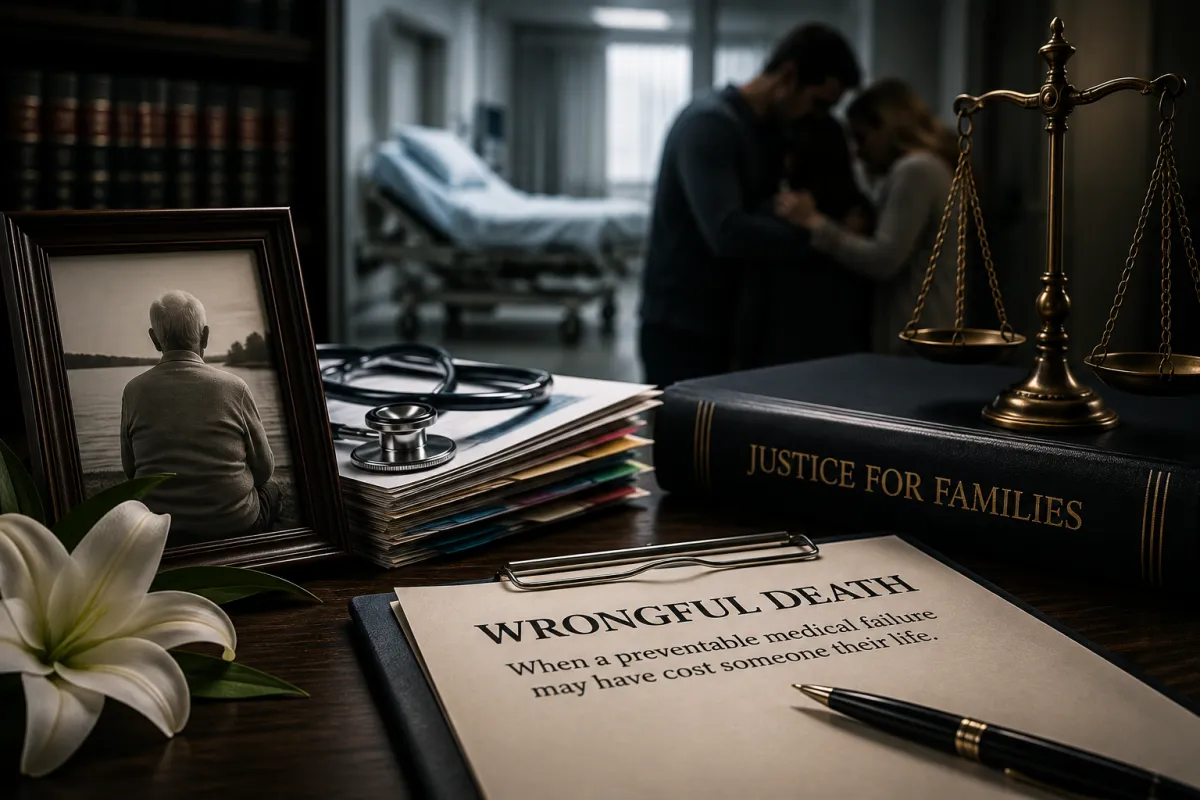
A death does not by itself establish negligence. The evidence must show what happened and whether a preventable failure caused or contributed to the death.
When a death follows medical treatment, hospitalization, or long-term care, the cause may not be obvious from the final diagnosis or death certificate. Important answers may be found in earlier symptoms, test results, nursing observations, physician orders, medication records, communications, and delays in treatment.
A careful investigation compares the care that should have been provided with what the records show actually occurred.
What symptoms, changes, test results, injuries, or warnings appeared?
Were the risks recognized, communicated, monitored, and treated in time?
Did a failure in care cause or contribute to the death?
Preventable Medical & Care Failures
Each case begins with the timeline. We identify the warning signs, the decisions that were made, the care that was provided, and the opportunities that may have been missed.
01
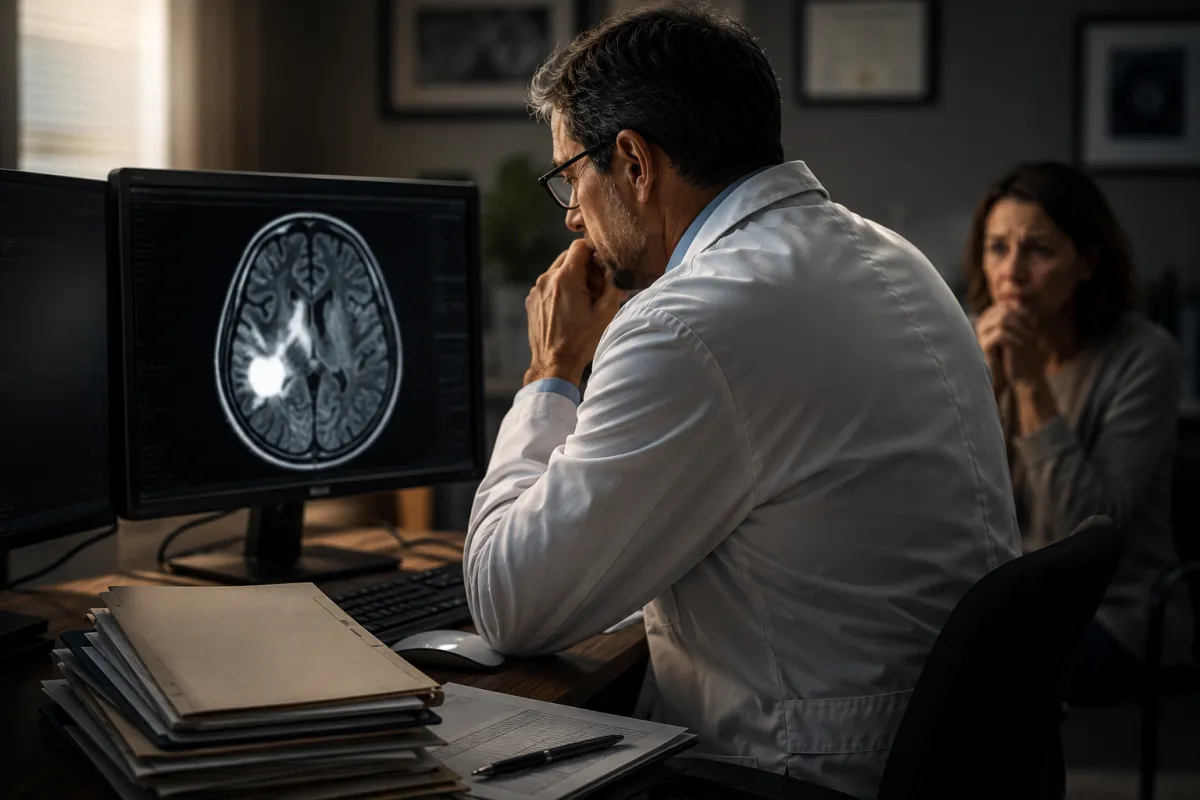
Sometimes the central problem is what was not recognized soon enough.
A patient may have symptoms, abnormal laboratory results, imaging findings, or other warning signs that required additional testing, consultation, or treatment.
The investigation asks what information was available and whether earlier diagnosis or treatment could have changed the outcome.
Learn More About Delayed Diagnosis →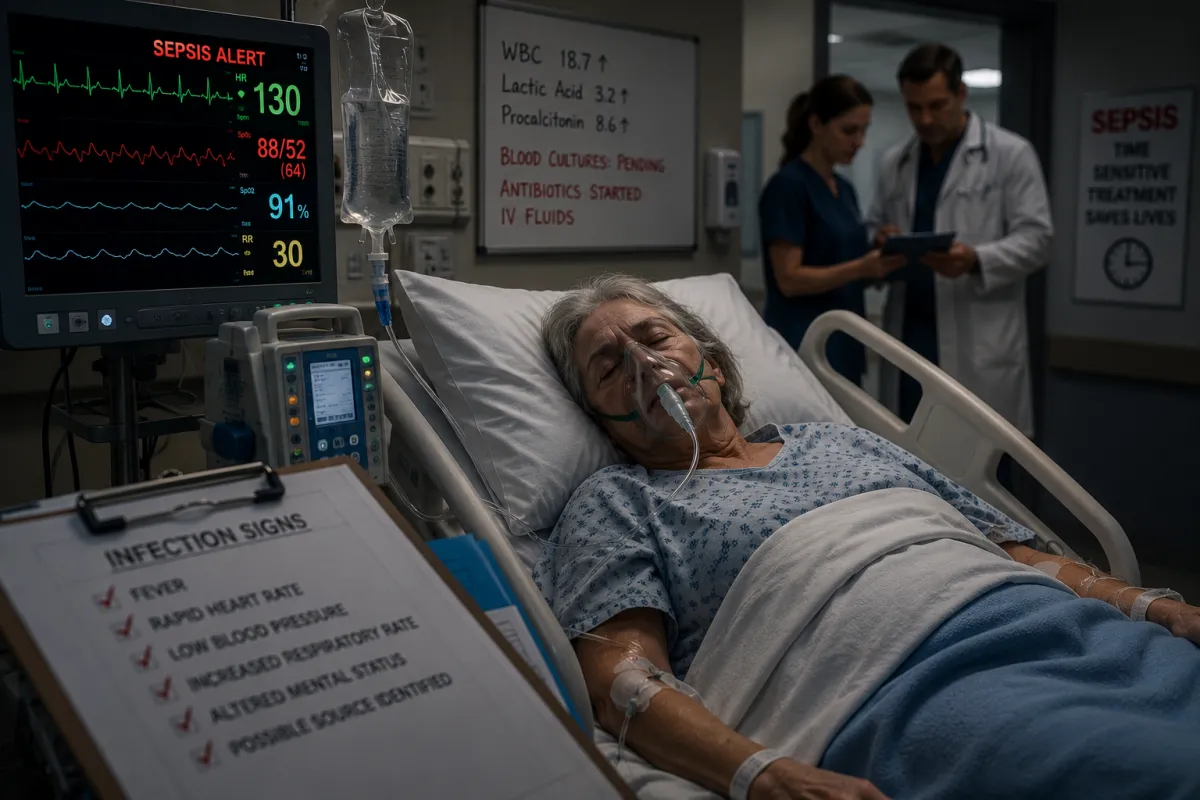
02
Sometimes sepsis is the final event. The important question is what happened before it.
An infection can progress rapidly. The records may show whether providers recognized the warning signs, ordered appropriate tests, started treatment, and responded to deterioration.
03
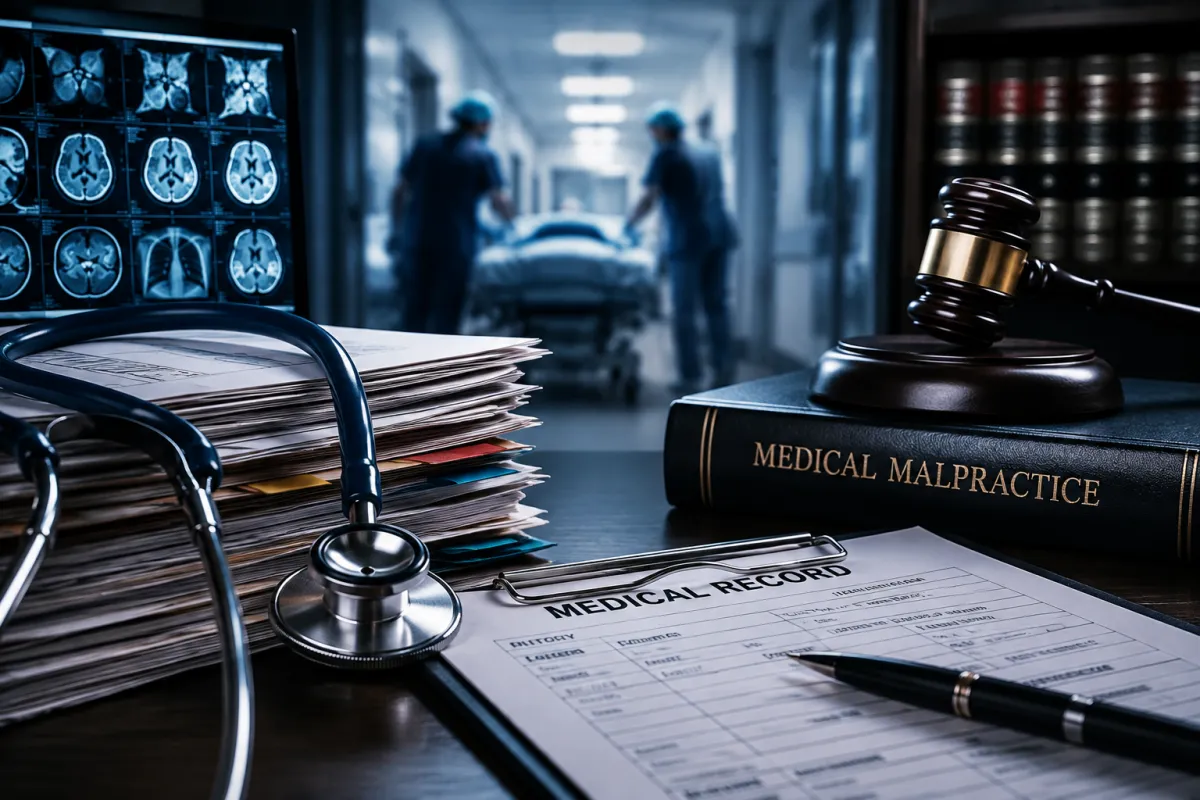
Hospital care often involves an entire team. A breakdown in communication can have serious consequences.
Doctors, nurses, specialists, pharmacists, radiologists, laboratories, and other departments may all possess part of the information needed to protect a patient.
04
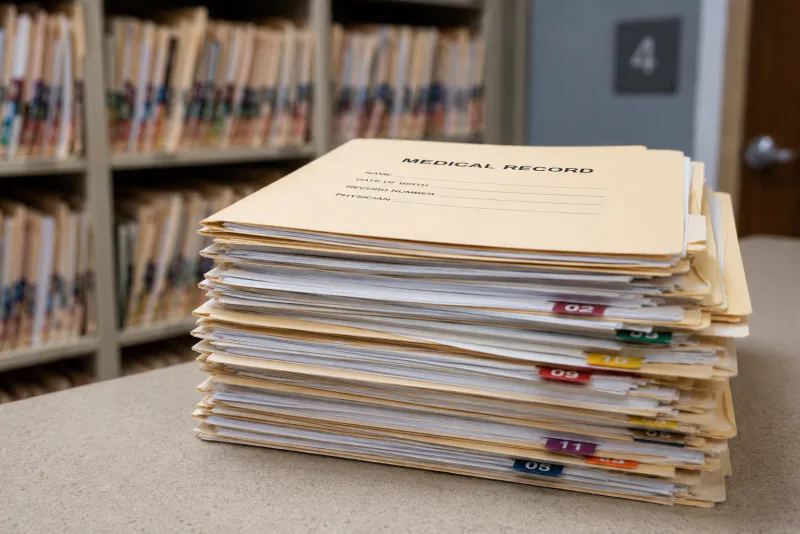
Medication mistakes may occur when a drug is prescribed, dispensed, administered, or monitored.
Physician orders, pharmacy records, medication-administration records, laboratory results, and nursing documentation can help explain what occurred.
05
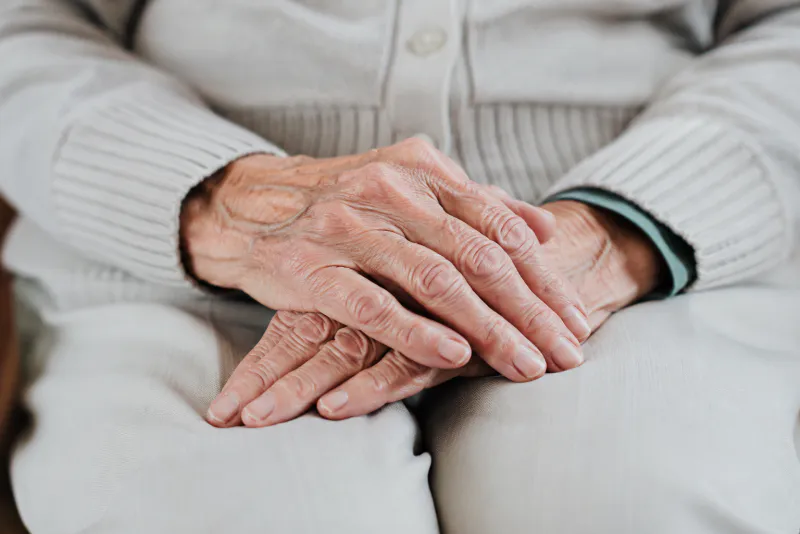
A resident may depend entirely on others for food, water, medication, mobility, supervision, and medical attention.
A nursing-home death may require review of the care plan, assessments, nursing notes, medication records, incident reports, and communications with physicians and family members.
06
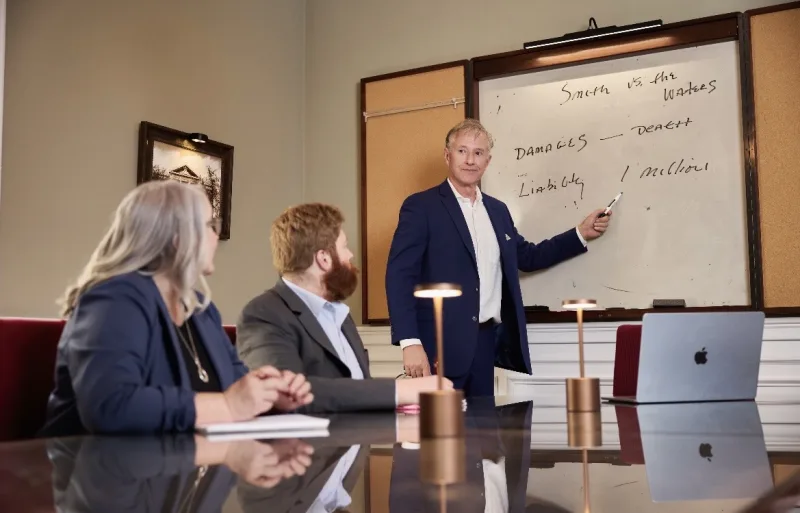
Every procedure carries risks. A complication alone does not establish negligence.
The investigation asks whether care before, during, and after a procedure met the appropriate standard and whether the team responded properly when complications appeared.
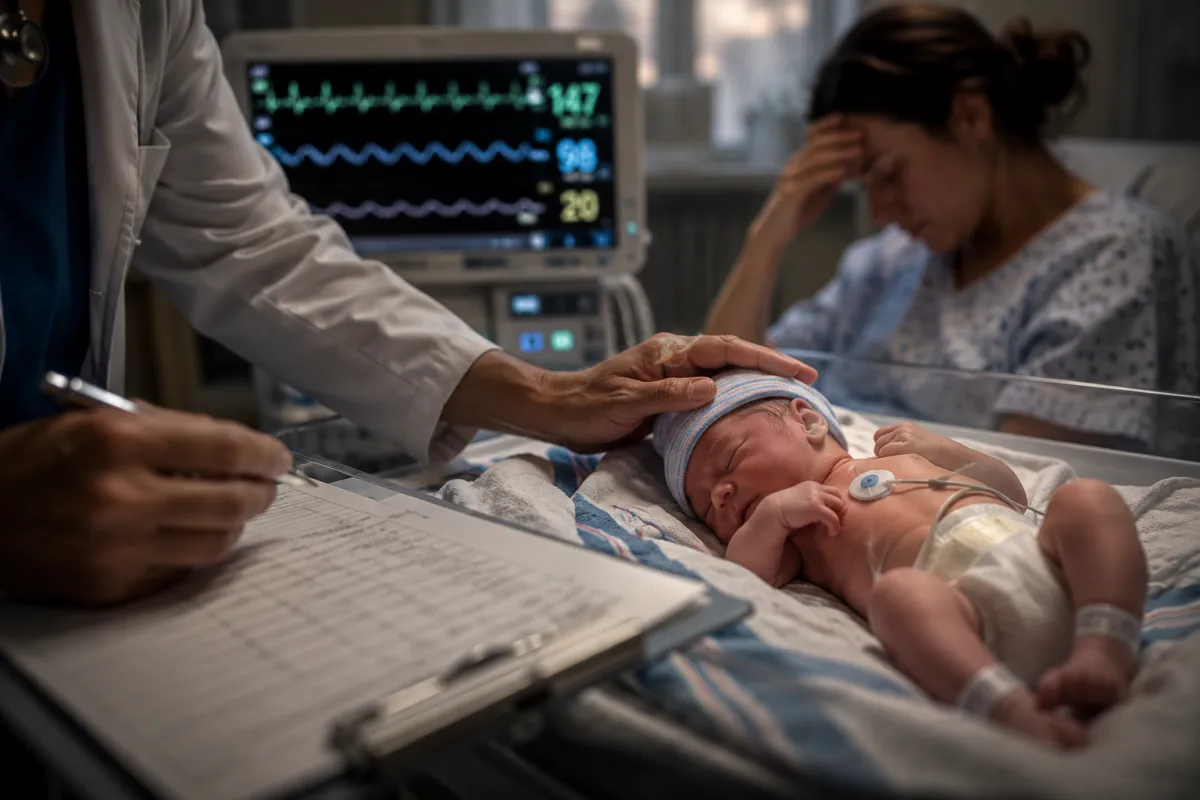
07
Some complications during pregnancy, labor, and delivery cannot be prevented. Others raise questions about whether warning signs were recognized.
These cases often involve highly technical medical issues and require a careful review of fetal monitoring, maternal symptoms, medication, delivery decisions, and the response to emergencies.
08
The evidence determines whether a death warrants further investigation.
Unexpected deaths may also arise from failures during emergency transport, rehabilitation, assisted living care, or other circumstances involving a duty to protect or provide appropriate care.
Finding Answers in the Evidence
The final event may not explain the entire story. The investigation works backward through the records and then rebuilds the timeline step by step.
We identify and obtain the medical, facility, emergency, and other available records needed to understand what happened.
We reconstruct the symptoms, observations, tests, communications, orders, treatment, and changes in condition.
We identify warning signs, delays, decisions, and failures that may require closer examination.
When appropriate, qualified experts help evaluate whether the care met the applicable standard.
We examine whether the alleged failure caused or contributed to the death and whether earlier care could have changed the outcome.
We help the family understand what the evidence shows and discuss the available legal options.
Selected Prior Work
Every case is different. These examples show the importance of early investigation, records, expert review, and preservation of evidence.
A Lee County, Virginia recovery in a fatal collision matter where prompt accident-scene investigation preserved important evidence.
A Tennessee recovery involving the death of a child and expert review of the applicable standard of care.
A matter involving a resident who received food inconsistent with a specialized care plan and suffered a fatal choking event.
Past results do not guarantee future outcomes. Every case is unique and must be evaluated on its individual facts and circumstances.
Evidence and Deadlines Matter
Medical and facility records may be extensive. Witness memories can fade, and other evidence may become more difficult to locate as time passes.
Legal deadlines also vary with the facts and jurisdiction. Speaking with a lawyer promptly can help a family understand what records and evidence should be reviewed.
You do not need to gather everything before calling.
You Do Not Have to Have All the Answers
Families often know that something does not make sense, even when they do not yet have the complete medical timeline.
Tell us what you observed and what you were told.
That is enough to start a conversation.We can help determine whether the circumstances warrant further investigation.
Free Case Review423-968-4969Request a Free Case ReviewNo Fee Unless We WinAn unexpected death does not by itself establish negligence or wrongful death liability. Every matter depends on its individual facts, applicable law, evidence, jurisdiction, and other circumstances. Information on this website is for general informational purposes only and is not legal or medical advice.
Let’s review the records together.