What Care Was Required?
What risks, diagnoses, limitations, and needs were known to the facility?
Nursing Home Neglect
What happened when that care failed?
Nursing home residents may depend entirely on others for food, water, medication, hygiene, mobility, supervision, and medical attention. When basic care is missed, the consequences can be devastating.
From our Bristol office, Large & Associates investigates the records, reconstructs the timeline, and helps families across East Tennessee and Southwest Virginia understand what happened.
Helping Families Find the Truth.
No Fee Unless We Win
Understanding the Concern
A serious injury does not automatically mean a facility was negligent. The circumstances and records must be examined.
Neglect may occur when a nursing home, assisted living facility, or long-term care provider fails to provide the care, monitoring, supervision, or medical attention a resident reasonably needed.
The most important evidence is often found in the facility’s own records: assessments, care plans, nursing notes, medication records, incident reports, staffing information, and communications with physicians and family members.
What risks, diagnoses, limitations, and needs were known to the facility?
Were required precautions, supervision, nutrition, medication, and monitoring actually provided?
Did missed care cause or contribute to an injury, infection, decline, assault, or death?
Serious Injuries & Warning Signs
Start with what happened. The investigation then asks what the facility knew, what it did, and whether reasonable care could have prevented the harm.
01
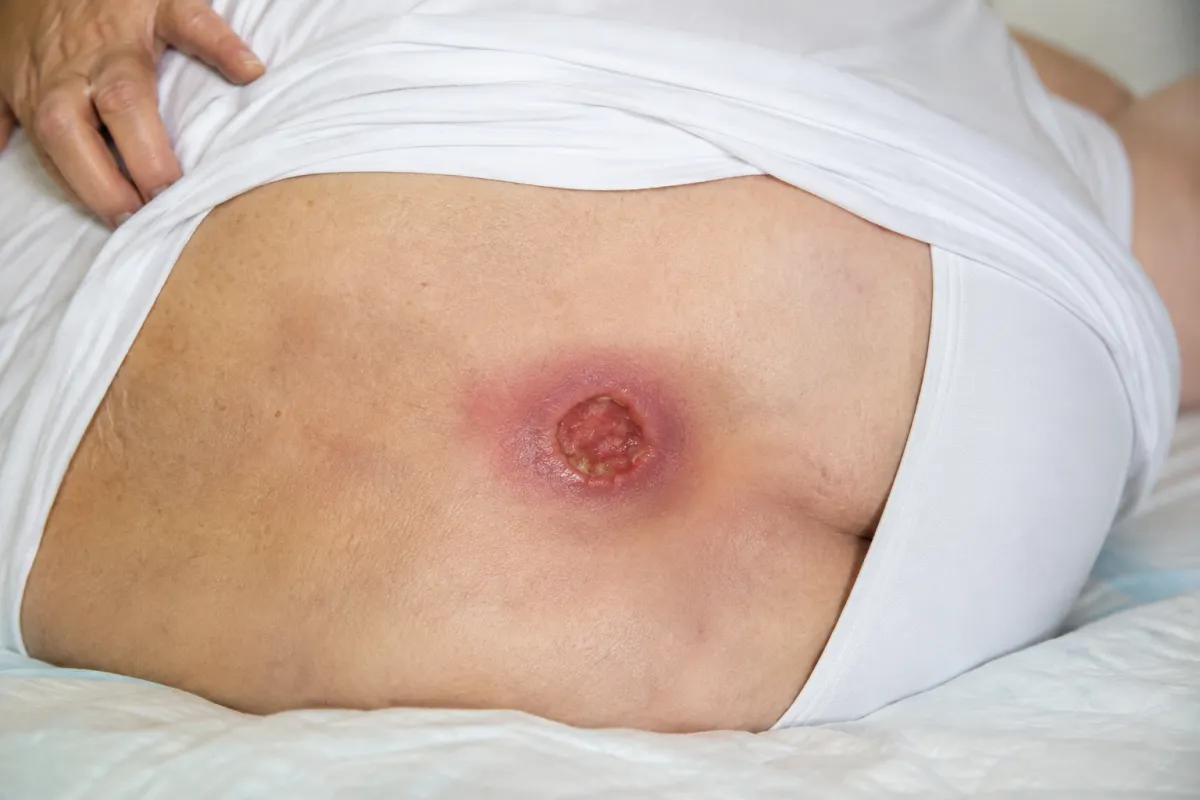
A bedsore can be more than a wound. It may be a warning that basic care was not provided.
Residents with limited mobility may need regular repositioning, skin assessments, moisture management, nutrition support, pressure-relieving equipment, and close monitoring.
02
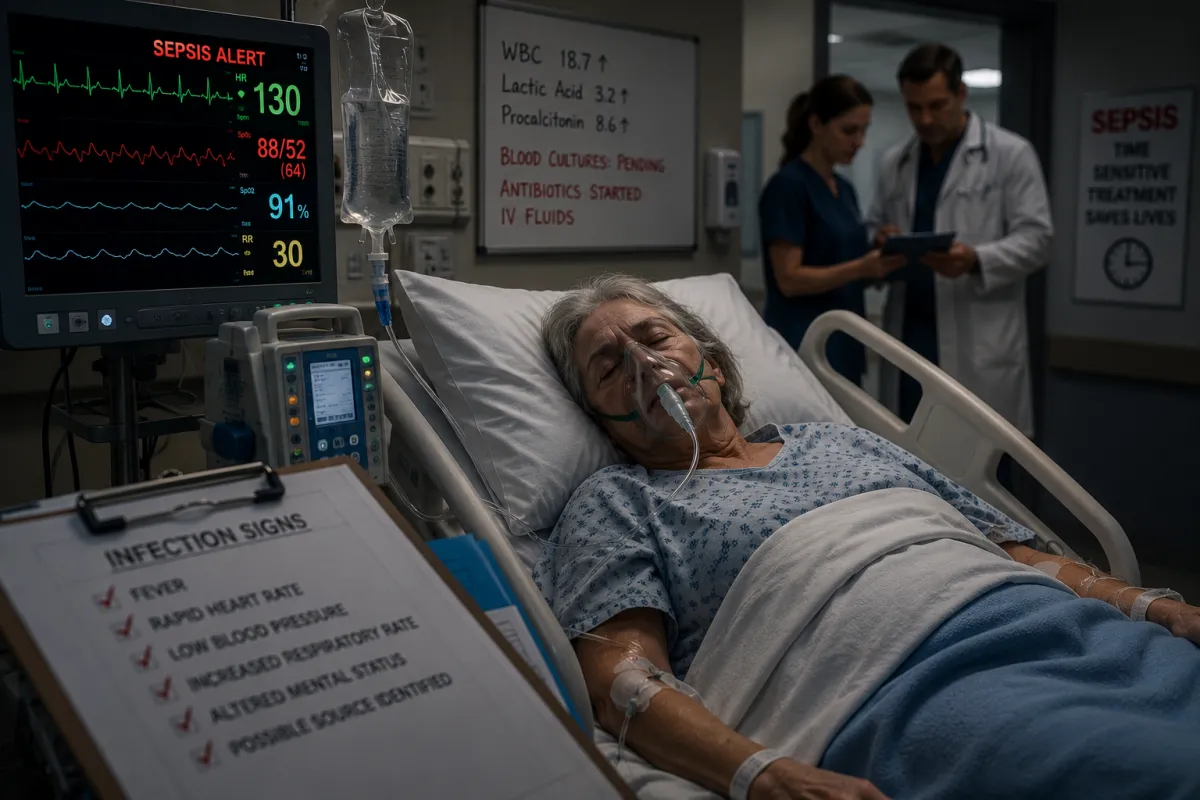
Sometimes sepsis is the final event. The important question is what happened before it.
Infections can begin in pressure wounds, the urinary tract, lungs, surgical sites, or other areas. Timely recognition and treatment can be critical.
03
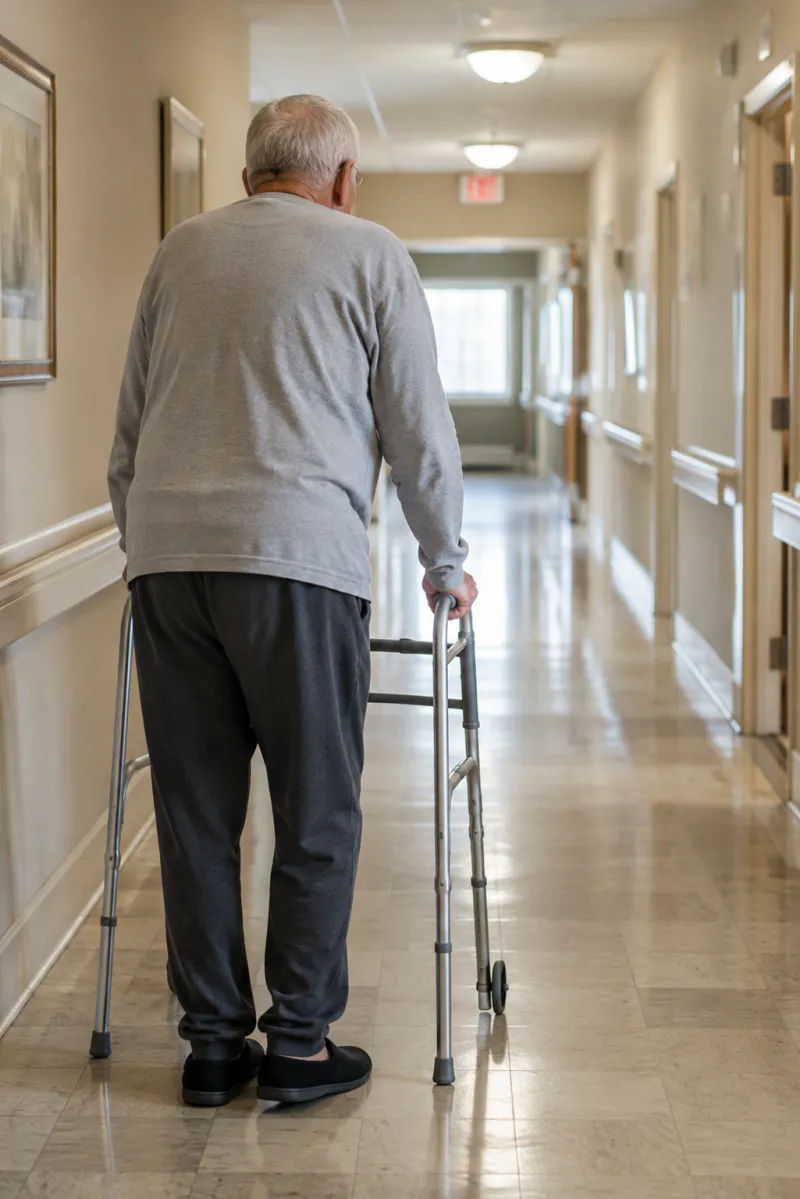
Was it an unavoidable accident, or were known risks ignored?
A fall alone does not establish negligence. But when a facility knew a resident was at risk, it should assess that risk and determine what precautions and assistance were needed.
04
Unexplained weight loss, weakness, and repeated dehydration can be signs that something is wrong.
Residents may need help eating and drinking, modified diets, supplements, swallowing evaluations, intake monitoring, and medical evaluation when their condition changes.
05
Residents with swallowing difficulties may require specific dietary and feeding precautions.
When food, liquid, or other material enters the airway or lungs, a vulnerable resident can become critically ill. A choking or aspiration event may raise questions about whether the care plan was followed.
06
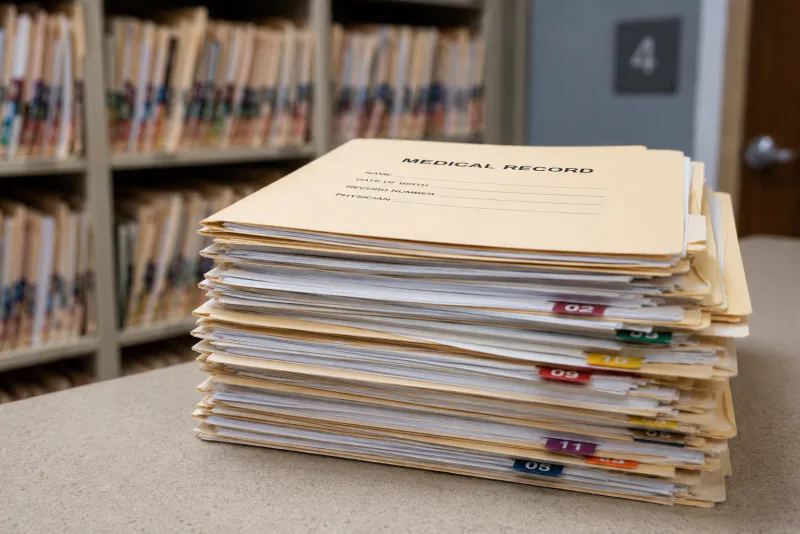
The right medication. The right resident. The right dose. The right time.
Medication administration records, physician orders, pharmacy records, and nursing notes can help determine whether medication was provided and monitored properly.
07
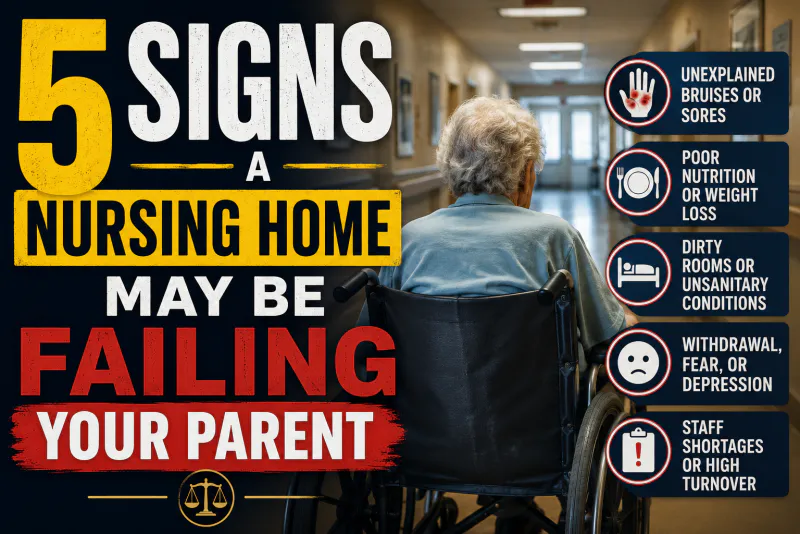
A facility must respond appropriately to known risks involving employees, visitors, and other residents.
Physical or sexual abuse, unexplained injuries, resident-on-resident attacks, and repeated unsafe behavior may require a close examination of hiring, reporting, supervision, and safety procedures.
08
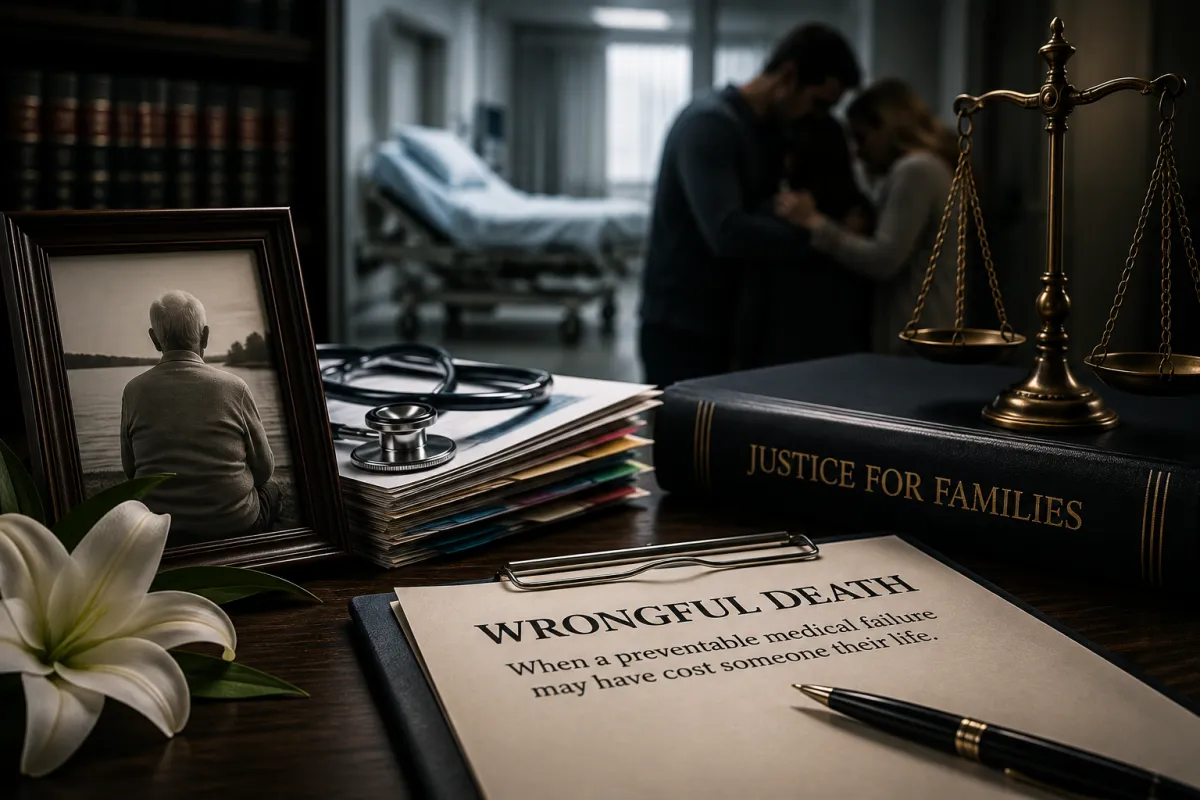
The question is not simply how a resident died. The investigation asks what happened before the death.
A death by itself does not establish neglect. The records may show whether warning signs were missed, care was delayed, or the resident’s decline did not receive an appropriate response.
Finding Answers in the Records
Facility records tell part of the story. The investigation compares those records with the resident’s needs, the care plan, the timeline, and other available evidence.
We obtain the clinical records, assessments, medication records, incident reports, and other available documents.
We identify the resident’s known risks and the care, monitoring, assistance, and precautions the facility planned.
We reconstruct the changes in condition, staff observations, communications, orders, treatment, and transfers.
When relevant, we examine who was responsible for care and whether known safety needs were addressed.
Qualified professionals may help assess whether the care was appropriate and whether a failure caused harm.
We help the family understand what the evidence shows and discuss the available legal options.
Selected Prior Work
Every case is different. These examples reflect the kinds of complex facility records, safety failures, and injuries our team has investigated.
A recovery involving an employee who sexually assaulted several residents at a Southwest Virginia nursing home.
A Virginia matter involving a resident-on-resident attack that caused a traumatic brain injury.
A long-term care matter involving a military veteran who developed a serious pressure injury.
Past results do not guarantee future outcomes. Every case is unique and must be evaluated on its individual facts and circumstances.
Something Doesn’t Feel Right?
You may have noticed a wound, sudden weight loss, repeated falls, unexplained injuries, a serious infection, or a rapid decline that no one has explained.
You do not need to identify the legal issue before calling us.
Tell us what happened. We’ll listen.We can help determine whether the circumstances warrant further investigation.
Free Case Review423-968-4969Request a Free Case ReviewNo Fee Unless We WinAn injury, infection, decline, or death does not by itself establish nursing home neglect. Every matter depends on its individual facts, applicable law, medical evidence, and standard of care. Information on this website is for general informational purposes only and is not legal or medical advice.
Let’s review the records together.